
Finding trustworthy information about CBD can feel challenging when every product promises wellness but rarely explains safe use. If you want to support stress relief, improve sleep, or boost your overall health, understanding CBD suitability, product selection, and safe dosing is essential before making a decision. This guide walks you through practical steps to assess your wellness goals, choose the best CBD method, and prepare for a safer, more effective experience tailored to your needs.
| Key Insight | Explanation |
|---|---|
| 1. Define your wellness goals | Understand your health objectives to evaluate CBD suitability accurately. |
| 2. Choose the right consumption method | Select CBD products based on your preferences and health needs for optimal results. |
| 3. Start with low doses | Gradually introduce CBD to identify your ideal dosage and minimize side effects. |
| 4. Track your body’s responses | Monitor your physiological and psychological reactions to adjust your CBD regimen effectively. |
| 5. Regularly review effectiveness | Consult with healthcare professionals for ongoing support and necessary adjustments to your CBD usage. |
Understanding whether CBD might support your unique wellness journey requires a thoughtful, personalized assessment of your health objectives and individual needs. Before incorporating CBD into your routine, you’ll want to conduct a comprehensive evaluation of your current physical and mental wellness landscape.
Starting this process involves clearly defining your wellness goals and considering how CBD might interact with specific health conditions. Common objectives for CBD usage include managing:
Carefully examining your specific health context is crucial. Research indicates individuals with psychiatric conditions or complex medical histories should be especially cautious. Key factors to consider include:
Consulting with a healthcare professional provides the most accurate personalized guidance for determining CBD suitability.
Your wellness assessment should involve honest self-reflection and professional medical input. By understanding your body’s unique needs and potential responses, you can make an informed decision about integrating CBD into your health strategy.
Pro tip: Maintain a detailed health journal tracking your symptoms, current treatments, and wellness goals to help your healthcare provider make the most informed recommendation about CBD usage.
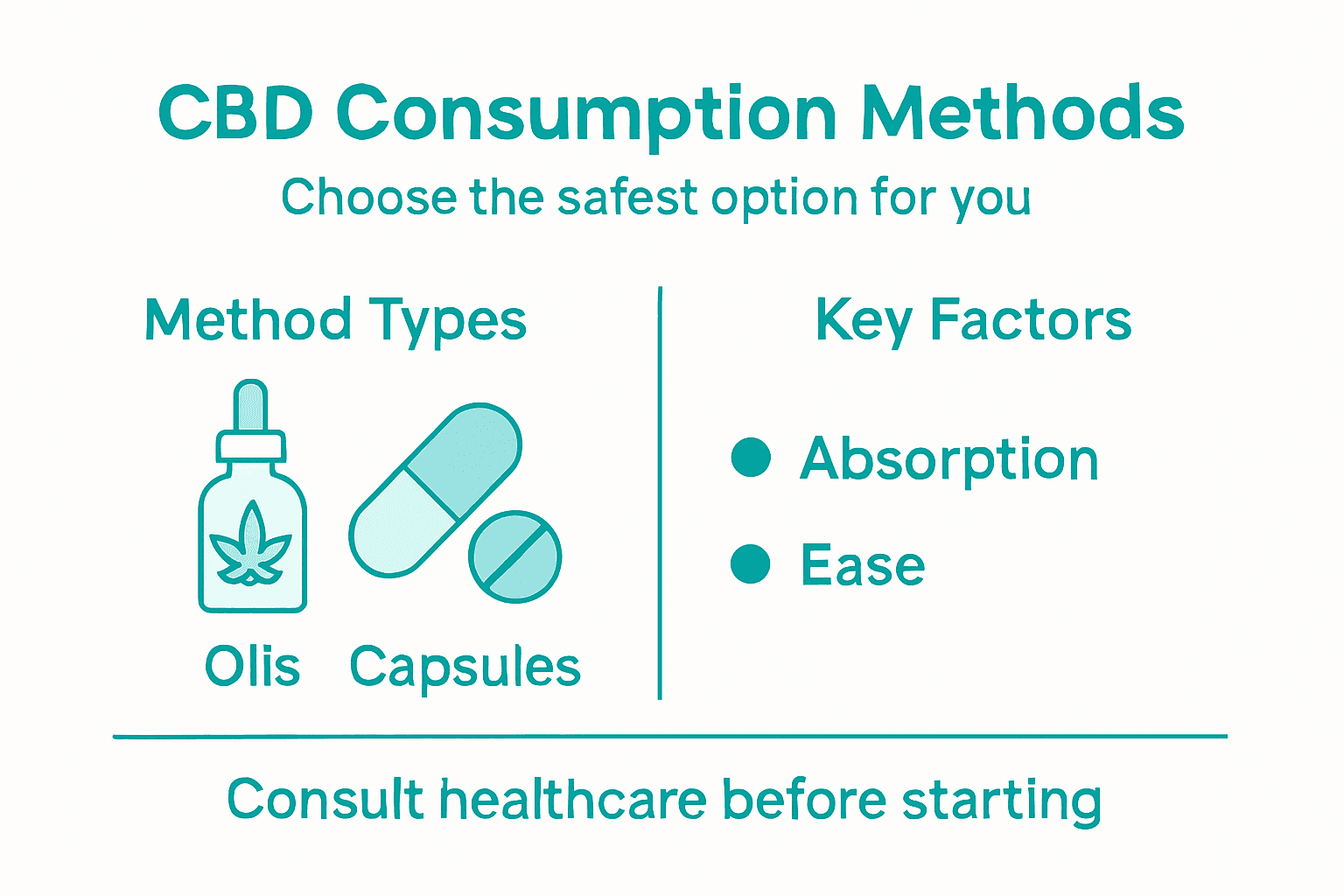
Choosing the right CBD consumption method is crucial for achieving your desired wellness outcomes. Analyzing different product absorption rates reveals that each delivery method offers unique advantages and considerations for your specific health needs.
CBD products come in multiple formats, each with distinct characteristics:
Here’s a summary of common CBD product formats and who they may suit best:
| Product Type | Best For | Typical Onset Time | Key Advantage |
|---|---|---|---|
| Sublingual Oils | Beginners, fast relief seekers | 15–30 minutes | Easy dosing, fast absorption |
| Capsules | Discreet users, daily routines | 30–90 minutes | Simple, consistent dosing |
| Edibles | Those preferring taste, duration | 60+ minutes | Enjoyable, long-lasting effect |
| Topical Applications | Localized comfort, joint issues | Variable | Targeted use, no ingestion |
| Vaping | Immediate relief needed | Minutes | Fastest onset, high potency |
Your selection should depend on several key factors:
Matching your CBD consumption method to your individual wellness objectives ensures the most effective therapeutic experience.
Research indicates that user experience and comfort play significant roles in method selection. Some individuals prefer discrete options like capsules, while others might opt for faster-acting methods like sublingual drops or vaping.
Pro tip: Start with a low-dose, easy-to-use method like sublingual oils to understand how your body responds before exploring more complex consumption techniques.
Navigating CBD dosage requires careful consideration and a strategic approach to ensure both safety and effectiveness. Establishing safe daily intake guidelines is crucial for responsible consumption and minimizing potential health risks.
Key steps for safe CBD preparation and dosing include:
Dosage recommendations vary based on several important factors:
Gradual dosage introduction allows your body to adjust and helps identify your optimal therapeutic threshold.
Research suggests healthy adults can typically consume up to 160 mg of CBD daily, but individual tolerance varies significantly. Consulting with a healthcare professional provides personalized guidance tailored to your specific health profile.
Pro tip: Keep a detailed journal tracking your CBD dosage, effects, and any side reactions to help fine-tune your personal wellness strategy.
Successfully integrating CBD into your wellness routine requires careful administration and attentive self-observation. Monitoring physiological responses during CBD intake is crucial for understanding how your body uniquely processes and responds to cannabidiol.
Key aspects of administration and monitoring include:
Important physiological markers to monitor:
Your body’s response to CBD is highly individual and may vary significantly from others.
Consistent documentation helps you and your healthcare provider understand your CBD therapy’s effectiveness. Be prepared to adjust dosage or method based on your documented experiences. Patience and meticulous tracking are key to finding your optimal CBD wellness strategy.
Pro tip: Create a digital or physical tracking journal with columns for dosage, time, symptoms, and personal notes to develop a comprehensive understanding of your CBD response.
Verifying the impact of CBD on your wellness journey requires systematic evaluation and thoughtful adjustments. Tracking product composition and therapeutic outcomes is essential for understanding your individual response and optimizing your CBD strategy.
Effectiveness verification involves multiple key elements:
Use this reference to track potential indicators of CBD effectiveness during your wellness journey:
| Indicator | What to Monitor | Suggests Adjustment When |
|---|---|---|
| Symptom Changes | Frequency, severity | No improvement noted |
| Sleep Quality | Duration, restfulness | Still feeling fatigued |
| Mood Stability | Anxiety, irritability | Mood remains unstable |
| Side Effects | Nausea, headaches | Persistent adverse signs |
| Overall Energy | Consistency, crashes | Energy levels unchanged |
Critical factors for consumption habit adjustments:
Small, incremental adjustments provide the most reliable path to personalized wellness.
Regular consultation with healthcare professionals helps validate your observations and ensure safe, effective CBD usage. Be prepared to modify dosage, frequency, or product type based on your comprehensive tracking and professional guidance.
Pro tip: Schedule quarterly reviews with your healthcare provider to comprehensively assess your CBD therapy’s effectiveness and make data-driven adjustments.
Navigating the challenges of selecting the right CBD consumption method and dosing safely can feel overwhelming. This tutorial highlights key pain points like understanding product absorption, matching consumption methods to wellness goals, and tracking your body’s response. You want to avoid guesswork and ensure your CBD experience supports stress relief, sleep improvement, or pain management effectively and safely.
SmartCBDHub provides comprehensive, easy-to-follow resources that help you move from confusion to confidence.
Start your journey with expert advice on choosing CBD products tailored to your unique needs and make informed decisions using practical tools like dosage calculators and printable charts. Visit SmartCBDHub now to explore detailed guides and latest research insights that empower you to enjoy the benefits of cannabidiol with safety and clarity. Your path to safer wellness choices begins today.
To choose the right CBD consumption method, consider your specific wellness objectives, such as pain relief or stress reduction. Evaluate factors like onset time and convenience; for example, sublingual oils provide quick relief within 15–30 minutes.
Start by reading product labels to understand CBD concentration and recommended serving sizes. Begin with the lowest recommended dose and gradually increase based on your individual response, aiming to evaluate how you feel over a few weeks.
To effectively monitor your body’s response to CBD, keep a detailed journal that includes your dosage, time of consumption, and any physiological changes you notice. Note aspects like energy levels, sleep quality, and stress; review your entries regularly to identify trends.
Track indicators such as symptom changes, sleep quality, mood stability, and overall energy levels to verify CBD effectiveness. If you notice no improvement in your symptoms or persistent side effects, consider adjusting your dosage or consumption method.
Plan to consult with a healthcare professional at least quarterly to assess your CBD therapy’s effectiveness and safety. Use these meetings to discuss any changes in symptoms or side effects you’ve documented, ensuring a personalized wellness approach.

Learn what CBD edibles are, their main types, expected effects, legal status, safety factors, and how they compare to other forms of CBD.
Read More
Therapeutic Uses of CBD Managing Chronic Pain with CBD Struggling with chronic pain? CBD might help. Studies suggest it can reduce inflammation and alleviate discomfort,...
Read More
Just as CBD may help humans due to its interaction with the body’s endocannabinoid system, the same is true of dogs. CBD has the potential...
Read More
Cannabis has been used for millennia to treat numerous health conditions. Current research offers promising results on the effects of CBD oil on breast cancer.
Read More
What Is CBD for Cats? CBD (Cannabidiol) is a natural compound from hemp. It’s non-psychoactive, meaning your cat won’t get “high.” Instead, it works with...
Read More
1. Understanding Neuropathic Pain Neuropathic pain results from nerve damage or dysfunction, causing symptoms like burning, tingling, or sharp shooting pains. Common Causes: Symptoms Include:...
Read More
CBD for Pets: A Pet Parent’s Guide to Dosage We all want the best for our pets, especially when they’re struggling with pain, anxiety, or...
Read More
What Is Lupus? Lupus is a long-term autoimmune condition that can impact multiple organs, including the skin, heart, lungs, and kidneys. The most common type...
Read More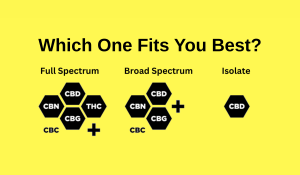
1. Full-Spectrum CBD: The All-In-One Option What it is: Contains CBD, minor cannabinoids, terpenes, flavonoids — and less than 0.3% THC. Why choose it: Promotes...
Read More
Why Use CBD for Pain? Chronic pain affects millions and often limits everyday activities. CBD, a non-intoxicating compound from hemp, is emerging as a natural...
Read More