
Finding the right option for stress relief and relaxation can feel overwhelming, especially with so many wellness trends in the United States and Canada. For those curious about CBD edibles, understanding what sets these non-psychoactive products apart is essential. This guide breaks down the basics of CBD edibles, clears up common misconceptions, and highlights safety tips, giving clarity on informed choices for anxiety support and overall well-being.
CBD edibles represent a diverse category of food and beverage products infused with cannabidiol, a non-intoxicating compound derived from hemp plants. These products transform CBD into consumable formats like gummies, chocolates, baked goods, and beverages, offering an alternative method for experiencing potential wellness benefits. FDA regulations on CBD products highlight the complexity surrounding these emerging consumer goods.
Understanding CBD edibles requires dispelling several common misconceptions. Unlike THC-containing cannabis products, CBD does not produce a “high” sensation. Instead, these edibles are marketed as potential wellness supplements with various proposed benefits. However, scientific research is still developing, and consumers should approach CBD edibles with informed caution.
Key characteristics of CBD edibles include:
Made from hemp-derived cannabidiol
Available in multiple food and drink formats
Typically contain less than 0.3% THC
Marketed for potential stress relief and relaxation
Varying potency levels depending on product
Consumers should be aware that CDC guidelines emphasize CBD products are not risk-free. Potential side effects can include liver damage, drowsiness, and mood changes. Additionally, the lack of standardized testing means product quality can significantly vary across manufacturers.
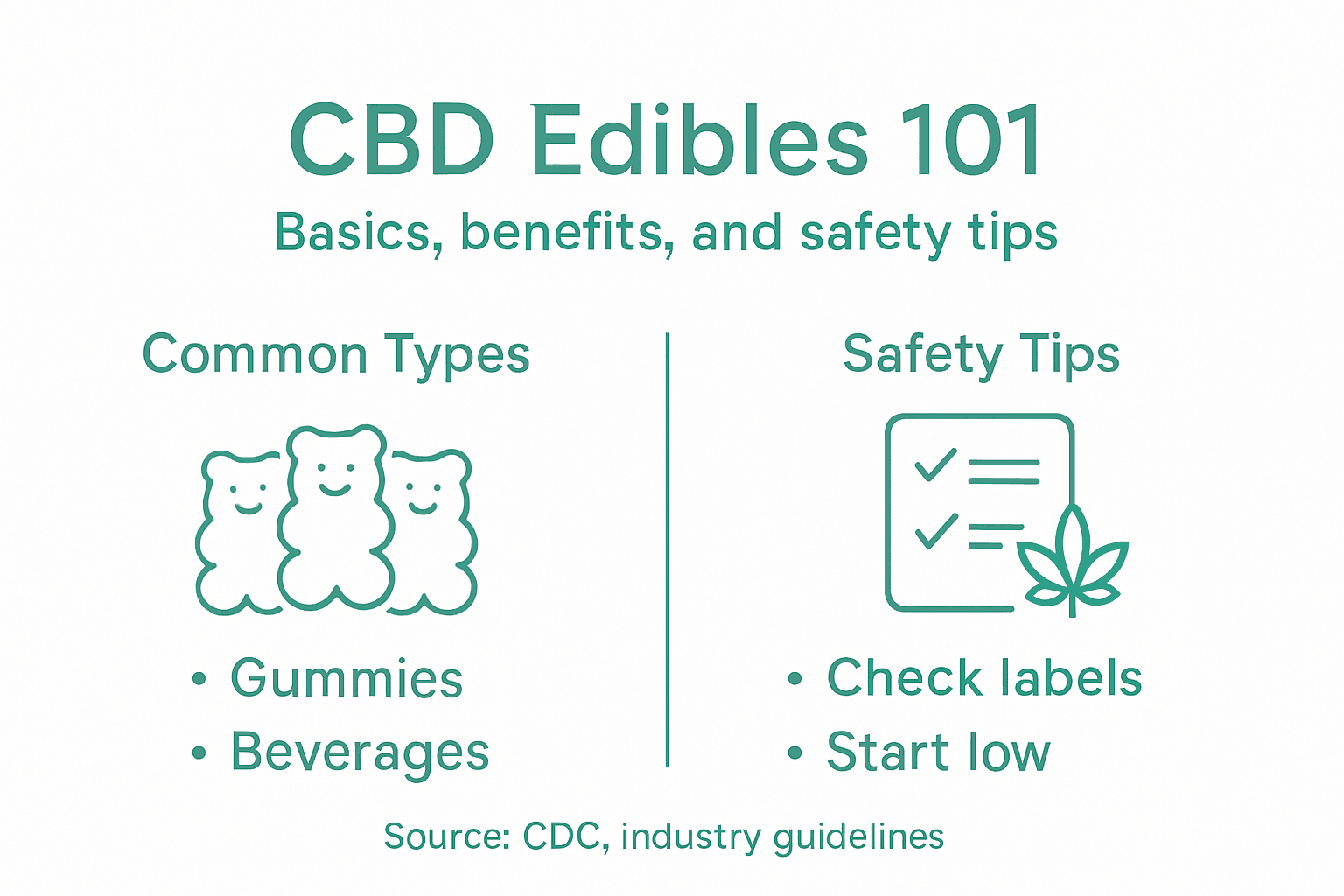
Pro tip: Always consult healthcare professionals and carefully research product origins before incorporating CBD edibles into your wellness routine.
CBD edibles represent a diverse and innovative category of consumable products that transform cannabidiol into various food and beverage formats. Cannabis edible variations showcase an extensive range of options, from traditional baked goods to modern gourmet offerings designed to provide potential wellness benefits without intoxicating effects.
The most common types of CBD edibles include:
Gummies: Soft, chewy candies infused with precise CBD dosages
Chocolate bars: Offering a rich, indulgent method of CBD consumption
Baked goods: Brownies, cookies, and other treats with embedded CBD
Beverages: Teas, coffees, and flavored drinks containing cannabidiol
Hard candies: Discrete and portable CBD delivery method
Understanding the nuanced differences between edible types is crucial for informed consumption. Poison control centers warn that edibles can have delayed onset times, which increases potential risks of overconsumption. The food matrix – whether a gummy, chocolate, or beverage – significantly impacts how quickly CBD is absorbed and metabolized by the body.
Modern CBD edibles differ dramatically from historical cannabis-infused products. Today’s offerings are carefully crafted to provide consistent dosing, precise cannabinoid profiles, and controlled experiences. Consumers should pay close attention to product labeling, understanding potency, recommended serving sizes, and potential interactions with other medications.
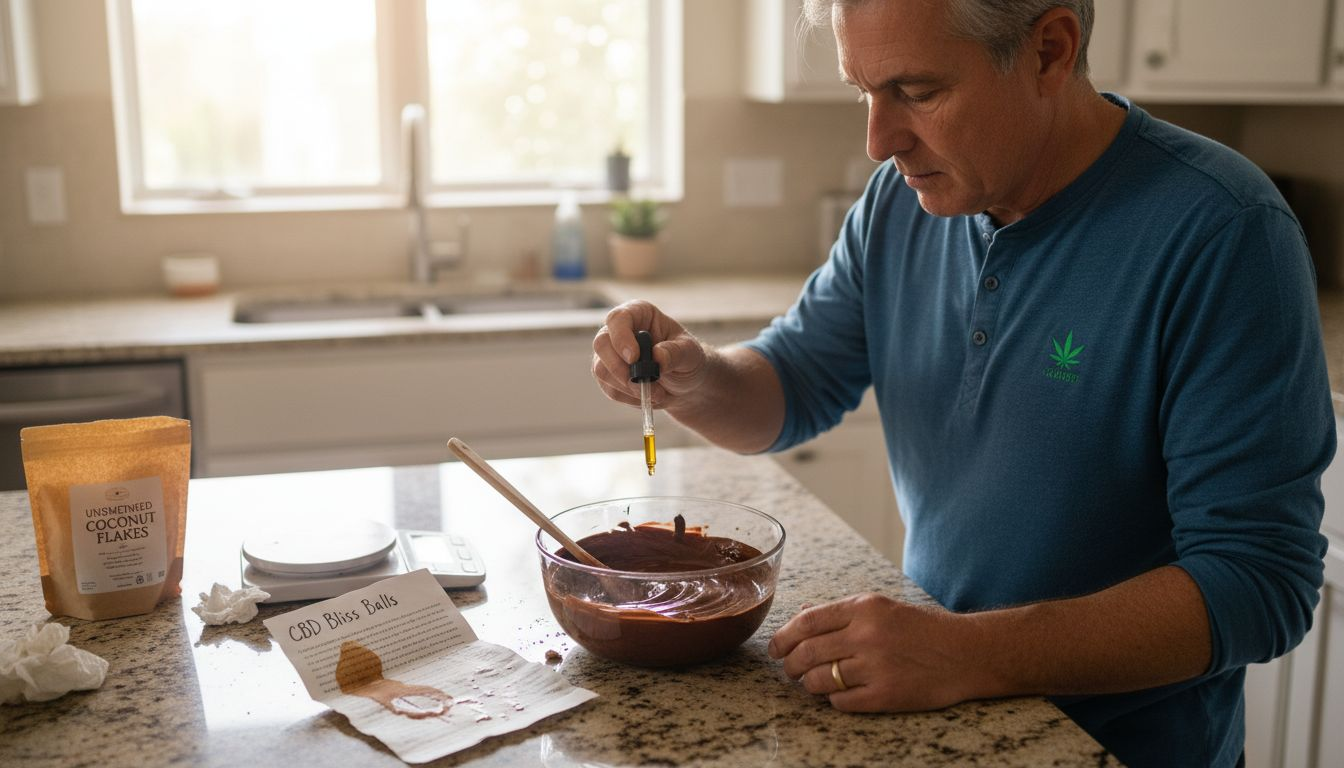
Pro tip: Start with low-dose CBD edibles and gradually increase intake while carefully monitoring your body’s response and consulting healthcare professionals.
Cannabidiol (CBD) interacts with the human body through a complex mechanism that differs significantly from other cannabinoids. Harvard Health research reveals that CBD does not cause intoxication and instead modulates various molecular pathways within the body’s systems.
The absorption and metabolization of CBD edibles involve several critical stages:
Digestion: CBD passes through the digestive tract
Liver processing: Undergoes first-pass metabolism
Bloodstream entry: Gradual release of cannabinoids
Receptor interaction: Engages with endocannabinoid system
Potential therapeutic effects: Modulates neurotransmitter activity
Unlike THC, CBD does not strongly bind to cannabinoid receptors. CDC research indicates that its effects depend on individual physiology, metabolism, and the specific formulation of the edible product. The oral ingestion route means slower onset but potentially longer-lasting effects compared to other consumption methods.
The body’s unique response to CBD edibles makes personalized dosing crucial. Factors like body weight, metabolism, and individual biochemistry significantly influence how quickly and effectively CBD is processed. Some individuals may experience more pronounced effects, while others might require higher doses to achieve similar results.
Here’s a summary of how major factors influence the effects of CBD edibles:
| Factor | How It Affects CBD Edibles | Impact on User Experience |
| Food Type | Alters absorption rate | Faster with liquids, slower in solids |
| Individual Metabolism | Determines how quickly CBD works | Faster effects for some, slower for others |
| Dosage | Influences intensity and duration | Higher doses may last longer |
| Other Medications | May cause drug interactions | Possible increase in side effects |
Pro tip: Start with the lowest recommended dose and gradually adjust, keeping a detailed journal to track your body’s specific response to CBD edibles.
CBD edibles have gained significant attention for their potential wellness applications. Harvard Health research suggests that these products may offer promising therapeutic approaches for managing various health conditions, particularly in addressing stress and sleep-related challenges.
People commonly use CBD edibles for addressing multiple wellness concerns:
Anxiety management: Potential reduction of stress symptoms
Sleep improvement: Supporting more consistent sleep patterns
Mood stabilization: Helping regulate emotional responses
Pain management: Potentially alleviating minor discomfort
General wellness: Supporting overall mental and physical balance
Cross-sectional studies indicate that approximately 70% of CBD users report experiencing positive effects. The most frequently cited benefits include stress relief, sleep enhancement, and mood improvement. Notably, individuals with psychiatric conditions or those taking psychotropic medications showed a higher likelihood of using CBD for anxiety and stress management.
While the potential benefits are promising, it is crucial to approach CBD edibles with realistic expectations. Scientific research is ongoing, and individual responses can vary significantly. Some users may experience immediate effects, while others might require consistent use to notice substantial changes in their wellness metrics.
Pro tip: Consult with healthcare professionals before incorporating CBD edibles into your wellness routine, especially if you are taking other medications or have pre-existing health conditions.
CBD edibles occupy a complex legal landscape in the United States. Congressional research indicates that hemp-derived CBD containing less than 0.3% THC is federally legal under the 2018 Agriculture Improvement Act, but regulatory oversight remains stringent.
Key legal and safety considerations include:
Federal regulations: FDA oversight of CBD products
State-level variations: Diverse legal interpretations
THC content limits: Maximum 0.3% for legal hemp-derived products
Product quality concerns: Limited standardized testing
Potential drug interactions: Risk of adverse reactions
CDC guidelines highlight several critical safety concerns associated with CBD consumption. Potential side effects include liver damage, drowsiness, drug interactions, and mood changes. Consumers should be particularly cautious about product quality, as limited regulatory oversight means significant variations in product composition and labeling accuracy.
The legal status of CBD edibles remains fluid, with ongoing legislative and regulatory discussions. While federal law provides a broad framework, state-level regulations can dramatically differ. Consumers must stay informed about local laws and potential legal restrictions in their specific jurisdiction.
Pro tip: Always verify local legal requirements and consult healthcare professionals before purchasing or consuming CBD edibles to ensure compliance and personal safety.
CBD consumption methods vary widely, offering consumers multiple options for experiencing potential wellness benefits. Congressional research highlights the key differences in absorption, onset time, and duration across various CBD product formats.
Comparative characteristics of CBD consumption methods:
Here is a side-by-side look at popular CBD product formats:
| Format | Typical Onset Time | Duration of Effects | Best For |
| Edibles | 30-90 minutes | 4-6 hours | Long-lasting relief |
| Oils/Tinctures | 15-45 minutes | 2-4 hours | Faster, flexible dosing |
| Topicals | 15-30 minutes | Varies (localized) | Targeting sore areas |
| Vaping | 5-10 minutes | 1-3 hours | Immediate effects |
Edibles: Slower onset, longer-lasting effects
Oils/Tinctures: Faster absorption, shorter duration
Topicals: Localized application, minimal systemic absorption
Vaping: Rapid onset, shortest duration
Capsules: Consistent dosing, similar to edibles
The primary distinctions between edibles and other formats center on metabolic processing and user experience. Edibles undergo first-pass metabolism in the liver, which means a more gradual release of cannabinoids compared to sublingual or inhalation methods. This slower absorption results in extended effects but also means a delayed onset of potential therapeutic benefits.
Each consumption method presents unique advantages and considerations. Factors like personal health goals, lifestyle, and individual physiology play crucial roles in determining the most suitable CBD delivery method. Some users might prefer the discretion of edibles, while others might prioritize faster absorption or more targeted application.
Pro tip: Experiment cautiously with different CBD formats, starting with low doses and monitoring your body’s response to find the most effective method for your individual needs.
If you’re intrigued by the potential benefits of CBD edibles but are unsure how to navigate the complex topics of dosing, safety, and product quality, SmartCBDHub is your trusted guide. This article explored the challenges around informed consumption, from understanding delayed onset and individual metabolism to recognizing legal and safety considerations. Consumers seeking clarity on how to use CBD edibles responsibly will find expert advice, dosage calculators, and in-depth reviews designed to ease worries and empower wellness choices.
Start your journey toward confident CBD use today by visiting SmartCBDHub. Explore comprehensive resources that explain CBD basics, comparisons of product formats, and tips for personalized dosing. Take control of your wellness with trusted information and practical tools at your fingertips. Don’t wait to experience the benefits of CBD edibles safely and effectively with guidance tailored just for you.
CBD edibles are food and beverage products infused with cannabidiol (CBD), a non-intoxicating compound from hemp. They work by passing through the digestive system, where they are metabolized in the liver before entering the bloodstream and interacting with the body’s endocannabinoid system.
CBD edibles may offer various wellness benefits, including anxiety management, improved sleep patterns, mood stabilization, pain relief, and overall mental and physical balance. Individual responses to CBD can vary significantly.
The onset time for CBD edibles is typically between 30-90 minutes due to the digestion process. Although they take longer to start working, the effects can last for 4-6 hours.
Yes, potential safety concerns with CBD edibles include side effects like liver damage, drowsiness, and mood changes. It’s essential to consult healthcare professionals and verify product quality, as there may be variations between products due to a lack of standardized testing.

Explore this cbd consumption methods tutorial and follow the step-by-step process to select, use, and verify the safest ways to consume CBD for wellness.
Read More
Therapeutic Uses of CBD Managing Chronic Pain with CBD Struggling with chronic pain? CBD might help. Studies suggest it can reduce inflammation and alleviate discomfort,...
Read More
Just as CBD may help humans due to its interaction with the body’s endocannabinoid system, the same is true of dogs. CBD has the potential...
Read More
Cannabis has been used for millennia to treat numerous health conditions. Current research offers promising results on the effects of CBD oil on breast cancer.
Read More
What Is CBD for Cats? CBD (Cannabidiol) is a natural compound from hemp. It’s non-psychoactive, meaning your cat won’t get “high.” Instead, it works with...
Read More
1. Understanding Neuropathic Pain Neuropathic pain results from nerve damage or dysfunction, causing symptoms like burning, tingling, or sharp shooting pains. Common Causes: Symptoms Include:...
Read More
CBD for Pets: A Pet Parent’s Guide to Dosage We all want the best for our pets, especially when they’re struggling with pain, anxiety, or...
Read More
What Is Lupus? Lupus is a long-term autoimmune condition that can impact multiple organs, including the skin, heart, lungs, and kidneys. The most common type...
Read More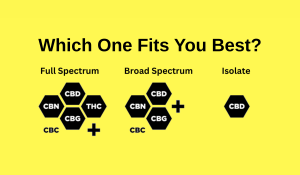
1. Full-Spectrum CBD: The All-In-One Option What it is: Contains CBD, minor cannabinoids, terpenes, flavonoids — and less than 0.3% THC. Why choose it: Promotes...
Read More
Why Use CBD for Pain? Chronic pain affects millions and often limits everyday activities. CBD, a non-intoxicating compound from hemp, is emerging as a natural...
Read More